iPhone Upgrade: The Case for Skipping a Generation
The Bi-Annual Upgrade: Finding the iPhone Sweet Spot
The allure of the latest iPhone is strong. Apple's marketing machine expertly highlights each generation's improvements, making it tempting to upgrade every year. However, the cost of annual upgrades can be significant, and the tangible benefits often diminish. For many users, skipping a generation—upgrading every other year—represents a more balanced approach, optimizing cost-effectiveness and meaningful performance gains.
Editor's pick: Refurbished iPhones on Amazon → As an Amazon Associate, this site earns from qualifying purchases.
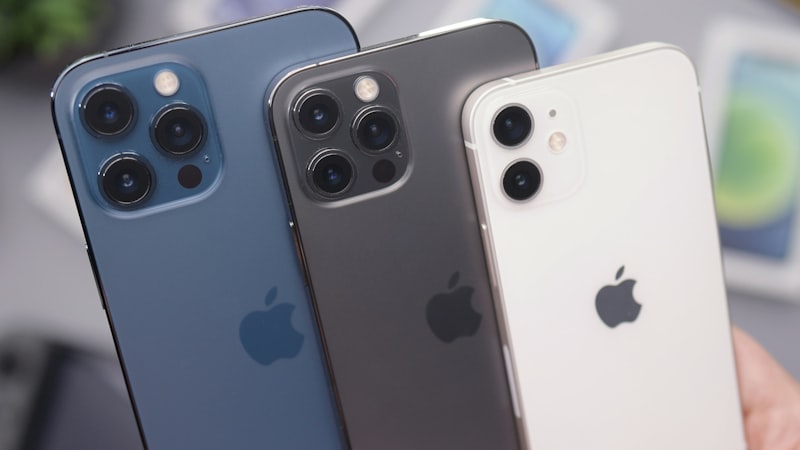
But how do you decide if skipping a generation is right for you? Let's break down the key factors:
Performance: The Real-World Difference
While benchmark scores offer a numerical comparison, the real-world performance difference between successive iPhone generations is often subtle. Unless you're a heavy gamer or regularly edit video on your phone, you may not notice a significant speed boost. Skipping a generation allows for more substantial improvements in the system-on-a-chip (SoC), resulting in a more noticeable performance jump. The A-series chips generally see meaningful architectural changes every two years, leading to tangible benefits in app loading times, multitasking, and overall responsiveness.
Camera Enhancements: A Gradual Evolution
The iPhone camera is a major selling point, and Apple consistently refines its camera system. However, many camera improvements are software-driven, leveraging computational photography techniques. While new hardware, like larger sensors or improved lenses, does contribute, much of the image quality improvement comes from Apple's image processing algorithms. As we explored in our analysis of camera tech at iPhone Evolve, computational photography plays an increasingly important role in overall image quality. This means that even older iPhones can benefit from software updates that enhance their camera capabilities. Skipping a generation often results in more significant hardware upgrades in the camera system, offering a more noticeable leap in image quality.
Cost Analysis: The Bottom Line
The cost of a new iPhone can be substantial, especially if you opt for a Pro model with higher storage. When you factor in accessories like cases and screen protectors, the annual cost of upgrading can easily exceed $1000. Skipping a generation effectively halves that cost, allowing you to save money or allocate those funds to other tech purchases or experiences. Furthermore, your existing iPhone will retain more value when you trade it in after two years compared to just one, offsetting some of the cost of the new device.
Longevity and Software Support
Apple provides software updates for its iPhones for several years after their release. Even if you skip a generation, your existing iPhone will likely continue to receive software updates and security patches for at least another year or two. This ensures that your phone remains secure and compatible with the latest apps. However, be mindful that older iPhones may not receive all the latest features introduced in new software updates. This is often due to hardware limitations. But for basic usage, an iPhone that is one or two generations old will still provide a perfectly adequate user experience.
The Decision: Is Skipping Right for You?
Ultimately, the decision to upgrade every year or skip a generation depends on your individual needs and priorities. If you're a tech enthusiast who always wants the latest and greatest features, an annual upgrade might be worthwhile. However, if you're more concerned with value and performance, skipping a generation is a smart choice. You'll save money, experience more meaningful performance gains, and still enjoy a modern and capable smartphone.
Consider these factors when making your decision:
- Your budget: How much are you willing to spend on a new iPhone?
- Your usage patterns: Do you need the absolute latest performance for gaming or video editing?
- Your tolerance for minor inconveniences: Are you willing to accept slightly slower performance or a less advanced camera?
By carefully weighing these factors, you can determine whether skipping a generation is the right move for your next iPhone upgrade.
Questions readers ask
Who is the realistic day-one buyer for upgrade skipping generations?
Enthusiasts and developers buy the first run. Mainstream adoption tracks the second-generation revision, once the rough edges are sanded down and the price comes in roughly $100 lower at the same tier.
Does iOS need rearchitecting to make upgrade skipping generations work properly?
Apple would need a window manager or surface-handling layer in iOS to do this well. The plumbing already exists on iPadOS in a limited form, so the engineering question is less invention and more refinement.
Where is Apple's supply chain on upgrade skipping generations right now?
Reports out of Asia consistently cite a handful of suppliers competing on the relevant component, with Apple splitting orders rather than single-sourcing. That hedging pattern tends to mean a real product is being prepared, not just an R&D exploration.
Is upgrade skipping generations realistic for the next iPhone, or further out?
Most signals point to a later cycle rather than imminent release. Component lead times for upgrade skipping generations suggest Apple is still validating the supply side, and the company tends to wait until yields hit production targets before committing on stage.
In short — what's the takeaway on longevity and software support?
It comes back to whether Apple can ship upgrade skipping generations without compromising the parts of the iPhone people already pay for. The detail in this section is where that case is made or broken.