iPhone Upgrade Hesitation: Is Apple's Software Support Enough to Delay Replacement in 2026?
iPhone Upgrade Hesitation: Is Apple's Software Support Enough to Delay Replacement in 2026?
The siren song of a new iPhone is powerful, but in 2026, the decision to upgrade is more nuanced than ever. Apple's commitment to providing several years of software updates for its devices is a major factor influencing upgrade cycles. While new features and performance gains are always tempting, the promise of continued security updates and access to core functionality on older models is a significant counterpoint. This extended software support begs the question: Is it enough to justify delaying an upgrade?
Editor's pick: Refurbished iPhones on Amazon → As an Amazon Associate, this site earns from qualifying purchases.
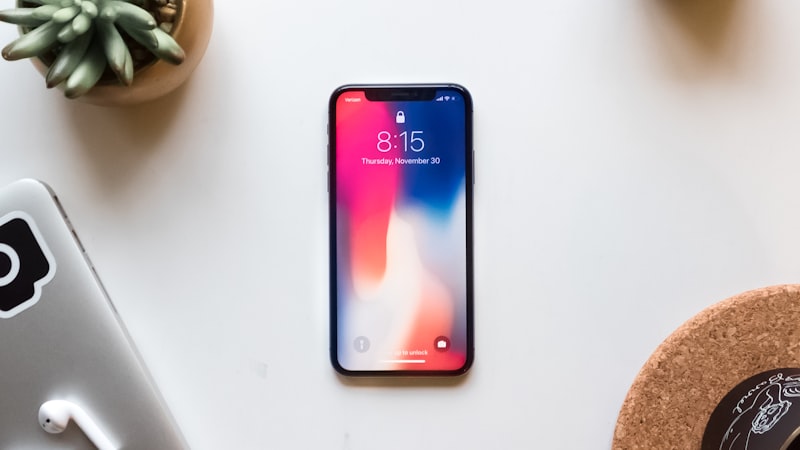
Historically, a lack of software updates was a primary driver for iPhone upgrades. When a device no longer receives the latest iOS version, users are often forced to upgrade to maintain security and access to new app features. However, Apple's current support model often provides 5-6 years of iOS updates, meaning that even iPhones several generations old are still receiving critical security patches and access to essential system features.
This longevity presents a compelling argument for holding onto your iPhone longer. For example, an iPhone 12, released in 2020, is still expected to receive iOS updates in 2026. This means users can continue to enjoy a secure and functional experience without the expense of a new device. The financial implications are significant, especially considering the rising cost of iPhones and the increasing sophistication of the pre-owned market.
However, relying solely on software updates to justify delaying an upgrade overlooks several crucial factors. Performance degradation is a common issue as iPhones age. While the operating system itself may be up-to-date, older processors and less RAM can struggle to handle the demands of newer apps and features. This can lead to a frustrating user experience, characterized by lag, slow loading times, and reduced battery life.
Furthermore, hardware advancements play a significant role in the upgrade decision. Camera technology, for instance, has seen dramatic improvements in recent years. As explored in our coverage of iPhone camera trends at iPhone Evolve, the leap from the iPhone 12 to the iPhone 15 or 16 represents a substantial upgrade in image quality, low-light performance, and video capabilities. Users who prioritize photography may find the benefits of a newer camera system outweigh the convenience of continued software support on an older device.
Similarly, display technology continues to evolve. While older iPhones still offer acceptable screen quality, newer models boast brighter displays, higher refresh rates (ProMotion), and improved color accuracy. As we explored in our analysis of display technology at iPhone View (https://iphoneview.com), these advancements can significantly enhance the viewing experience, particularly for users who consume a lot of video content or play graphically intensive games.
Battery health is another critical consideration. Even with careful usage, iPhone batteries degrade over time, leading to reduced battery life and the need for frequent charging. While battery replacements are an option, they add to the overall cost of ownership and may not fully restore the device to its original performance.
Ultimately, the decision to upgrade or hold onto your iPhone in 2026 depends on individual needs and priorities. If security and basic functionality are your primary concerns, then Apple's extended software support may be sufficient to justify delaying an upgrade. However, if you value performance, camera quality, display technology, and battery life, then the benefits of a newer model may outweigh the financial cost.
Carefully consider your usage patterns and weigh the pros and cons before making a decision. Don't let the allure of the latest iPhone blind you to the value of your current device, but also don't let the promise of continued software support prevent you from enjoying the benefits of newer technology.
Questions readers ask
What would convince a sceptical reviewer that upgrade hesitation software support is worth it?
Hands-on time is the only honest test. A reviewer's first hour with the device tells them whether upgrade hesitation software support is solving a real problem they had, or a feature looking for a use case. The reviews following launch will be the verdict.
Will upgrade hesitation software support replace the current model or sit alongside it?
The likeliest path is co-existence — a new variant alongside the existing lineup, not a replacement. Apple's segmentation playbook keeps the older model around at a lower price for at least one cycle to absorb the gap.
How does upgrade hesitation software support stack up against what Samsung or Google already ship?
Android OEMs reached this corner of the market first, but they did so with looser tolerances on durability and software polish. Apple's bet is that arriving second with a tighter integration story wins more buyers than arriving first.
Have patents or job listings hinted at upgrade hesitation software support?
Yes — recent USPTO filings reference adjacent mechanisms, and Apple has been quietly posting roles in the relevant hardware and software teams. None of that guarantees a ship date, but it confirms the project is actively staffed.
In short — what's the takeaway on more from iphone evolve?
It comes back to whether Apple can ship upgrade hesitation software support without compromising the parts of the iPhone people already pay for. The detail in this section is where that case is made or broken.