iPhone Lifespan in 2026: How Long Should You Really Keep Your Device?
iPhone Lifespan in 2026: How Long Should You Really Keep Your Device?
The question of how long to keep an iPhone is a perennial one, but the answer is constantly evolving. In 2026, several factors contribute to the practical lifespan of Apple's flagship device, influencing upgrade decisions. While Apple's robust software support and hardware quality are well-regarded, they are not the only considerations. Let's delve into the key aspects determining how long an iPhone remains a viable daily driver.
Editor's pick: Refurbished iPhones on Amazon → As an Amazon Associate, this site earns from qualifying purchases.
Software Updates and Feature Parity
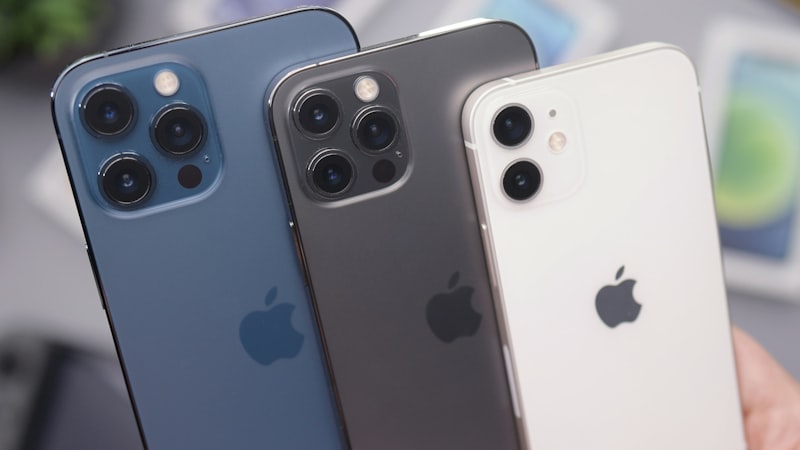
Apple's commitment to providing software updates for older devices is a significant advantage. However, even with continued software support, older iPhones eventually lose access to the latest features. For example, while an iPhone 12 might still be running the latest version of iOS in 2026, it might not support newer technologies like advanced augmented reality features or computational photography enhancements that require more processing power. This gradual erosion of feature parity can be a major driver for upgrading.
Battery Health and Replacement Costs
Battery degradation is an inevitable consequence of lithium-ion battery technology. After a few years of use, an iPhone battery's capacity diminishes, leading to shorter battery life and potentially impacting performance. Apple offers battery replacement services, but the cost of replacement can be a significant factor, especially when considering the overall age of the device. Independent repair options exist, but quality and warranty concerns should be carefully weighed. As we've covered extensively on our sister site, iPhone View, display technology improvements have also contributed to increased power consumption on newer models, making battery efficiency a key consideration for those holding onto older iPhones.
Performance Demands of Modern Apps and Games
The demands placed on iPhone hardware by modern apps and games are constantly increasing. While an older iPhone might still be capable of running basic tasks, it might struggle with resource-intensive applications, leading to lag, stuttering, and a generally frustrating user experience. This is particularly relevant for users who enjoy mobile gaming or rely on their iPhone for professional tasks such as video editing or graphic design.
Repairability and Parts Availability
As iPhones age, the availability of replacement parts can become an issue. Apple's Self Service Repair program has improved access to some components, but certain parts might become scarce or unavailable over time. This can make repairs more difficult and costly, further influencing the decision to upgrade rather than repair.
Trade-In Value and Upgrade Incentives
The trade-in value of an older iPhone is a crucial factor in the upgrade equation. Apple and other retailers often offer attractive trade-in deals, making it more affordable to upgrade to the latest model. However, the trade-in value diminishes significantly as the device ages. Therefore, selling or trading in an iPhone before its value plummets can be a financially sound decision.
The Bottom Line: Striking the Right Balance
Ultimately, the decision of how long to keep an iPhone in 2026 is a personal one, depending on individual needs and priorities. Users who prioritize cost savings and are willing to tolerate some performance limitations might be able to extend the lifespan of their device beyond three or four years. However, those who demand the latest features, optimal performance, and a seamless user experience are likely to upgrade more frequently. Considering the evolution of iPhone design, as meticulously documented by iPhone Arc, some users may also be driven by a desire for the latest aesthetic and ergonomic improvements.
By carefully weighing the factors outlined above, consumers can make an informed decision about when to upgrade their iPhone, ensuring they get the most value and satisfaction from their device.
Questions readers ask
Does iOS need rearchitecting to make lifespan 2026 work properly?
Apple would need a window manager or surface-handling layer in iOS to do this well. The plumbing already exists on iPadOS in a limited form, so the engineering question is less invention and more refinement.
Where is Apple's supply chain on lifespan 2026 right now?
Reports out of Asia consistently cite a handful of suppliers competing on the relevant component, with Apple splitting orders rather than single-sourcing. That hedging pattern tends to mean a real product is being prepared, not just an R&D exploration.
Is lifespan 2026 realistic for the next iPhone, or further out?
Most signals point to a later cycle rather than imminent release. Component lead times for lifespan 2026 suggest Apple is still validating the supply side, and the company tends to wait until yields hit production targets before committing on stage.
What's the biggest tradeoff Apple has to swallow for lifespan 2026?
Every Apple decision is a tradeoff, and the obvious one here is internal volume. Adding lifespan 2026 costs millimetres somewhere — usually battery capacity or camera module depth — and Apple has to decide which line item to trim.
In short — what's the takeaway on trade-in value and upgrade incentives?
It comes back to whether Apple can ship lifespan 2026 without compromising the parts of the iPhone people already pay for. The detail in this section is where that case is made or broken.