iPhone Feature Bloat: Are We Reaching a Saturation Point?
iPhone Feature Bloat: Are We Reaching a Saturation Point?
The annual iPhone release cycle used to be defined by clear, easily understood advancements: a faster processor, a better camera, a more durable screen. However, as the technology matures, the incremental improvements become less impactful, and Apple seems increasingly focused on adding new software features to differentiate its products. But is this constant influx of new features truly enhancing the user experience, or are we reaching a point of feature bloat where complexity outweighs utility?
Editor's pick: Refurbished iPhones on Amazon → As an Amazon Associate, this site earns from qualifying purchases.
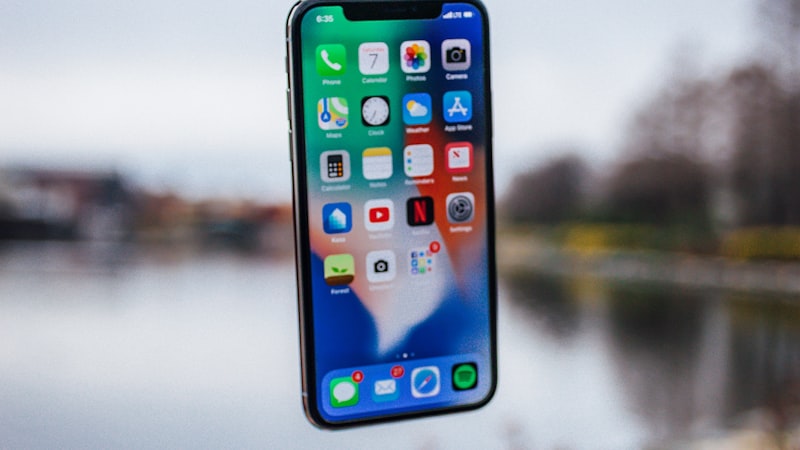
Consider iOS 20, the operating system powering the latest iPhones. While it boasts improvements in areas like augmented reality and personalized AI, many of the new additions are niche features that are rarely used by the average consumer. The complexity of navigating the settings menu alone has become a significant hurdle for some users. This increasing complexity can lead to user fatigue, making it harder to discover and utilize the features they actually care about.
The Impact on Upgrade Decisions
In the past, a compelling new camera system or a significant performance boost was enough to sway users to upgrade. Now, with computational photography reaching its peak and processor speeds offering diminishing returns for everyday tasks, Apple is relying more on software features to justify the upgrade. However, if these features are perceived as unnecessary or overly complicated, they may not be enough to convince users to part with their current iPhones.
This trend is particularly relevant when considering the longevity of older iPhone models. Apple continues to provide software updates for several years, but the constant addition of new features means that older devices may struggle to keep up. While the core functionality remains, the experience can be significantly degraded by performance issues or compatibility problems with newer apps. As we explored in our analysis of display technology at iPhone View, the lack of ProMotion on older models, initially a minor omission, becomes increasingly noticeable as iOS relies more on smooth animations and adaptive refresh rates.
The Environmental Cost of Feature Creep
Beyond the user experience, there's also an environmental cost to consider. The push for new features drives the cycle of upgrades, leading to more e-waste and increased demand for raw materials. While Apple has made strides in sustainability, the focus on disposable devices ultimately undermines these efforts. A more sustainable approach would involve prioritizing software optimization and extending the lifespan of existing devices, rather than constantly pushing new hardware.
The Future of iPhone Features
To combat feature bloat, Apple needs to focus on quality over quantity. Instead of adding every possible feature, they should prioritize the ones that truly enhance the user experience and streamline the overall interface. This could involve simplifying the settings menu, providing more contextual help, and offering users greater control over which features are enabled. It may also mean rethinking the annual release cycle and focusing on more incremental improvements over a longer period.
The iPhone has reached a point where it's no longer about adding more features, but about refining and optimizing the existing ones. By focusing on simplicity and usability, Apple can ensure that the iPhone remains a valuable and enjoyable device for years to come.
The increasing complexity of iOS also contrasts with the ongoing conversation around form factor innovation, a topic frequently discussed at our sister site, iPhone Open. The design of an open or foldable iPhone introduces entirely new user interface challenges. If Apple is already struggling to manage the feature set on a traditional iPhone, introducing a new form factor with its own unique interaction paradigms could exacerbate the problem of feature bloat.
Questions readers ask
Does iOS need rearchitecting to make feature bloat saturation point work properly?
Apple would need a window manager or surface-handling layer in iOS to do this well. The plumbing already exists on iPadOS in a limited form, so the engineering question is less invention and more refinement.
Where is Apple's supply chain on feature bloat saturation point right now?
Reports out of Asia consistently cite a handful of suppliers competing on the relevant component, with Apple splitting orders rather than single-sourcing. That hedging pattern tends to mean a real product is being prepared, not just an R&D exploration.
Is feature bloat saturation point realistic for the next iPhone, or further out?
Most signals point to a later cycle rather than imminent release. Component lead times for feature bloat saturation point suggest Apple is still validating the supply side, and the company tends to wait until yields hit production targets before committing on stage.
What's the biggest tradeoff Apple has to swallow for feature bloat saturation point?
Every Apple decision is a tradeoff, and the obvious one here is internal volume. Adding feature bloat saturation point costs millimetres somewhere — usually battery capacity or camera module depth — and Apple has to decide which line item to trim.
In short — what's the takeaway on the future of iphone features?
It comes back to whether Apple can ship feature bloat saturation point without compromising the parts of the iPhone people already pay for. The detail in this section is where that case is made or broken.