iPhone Camera Tech: Is Computational Photography Stalling Upgrade Cycles?
The Computational Photography Plateau: Is It Real?
For years, the iPhone camera has been a major driver of upgrades. Each new generation promised significant leaps in image quality, driven largely by advancements in computational photography. Features like Deep Fusion, Photonic Engine, and sensor-shift stabilization have transformed the way we capture and process images on our smartphones. But in 2026, a question looms: are these advancements plateauing, and if so, what impact does it have on upgrade cycles?
Editor's pick: Refurbished iPhones on Amazon → As an Amazon Associate, this site earns from qualifying purchases.
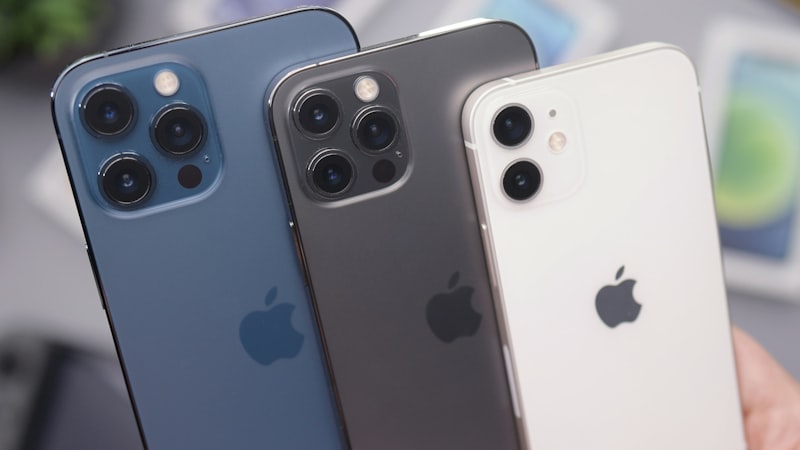
Computational photography relies heavily on software algorithms and processing power to enhance image quality. It compensates for hardware limitations, such as smaller sensors and lenses, by intelligently combining multiple exposures, reducing noise, and improving dynamic range. This approach has allowed Apple to consistently deliver impressive camera performance, even without necessarily leading the pack in terms of raw hardware specifications.
However, the incremental improvements in recent iPhone camera generations suggest that the gains from computational photography may be diminishing. While each new model offers refinements, the differences are becoming less noticeable to the average user. The gap between an iPhone 14 Pro and an iPhone 16, in terms of everyday image quality, is arguably smaller than the gap between an iPhone 12 and an iPhone 14 Pro.
The Role of Perception and Expectations
This perceived plateau isn't necessarily a reflection of technological stagnation. Apple continues to innovate in areas like sensor design, lens coatings, and image processing algorithms. However, the human eye is remarkably adept at adapting to improvements, and what once seemed revolutionary can quickly become commonplace. Users may now expect a certain level of image quality as standard, making it harder for manufacturers to wow them with incremental upgrades.
Furthermore, the increasing sophistication of computational photography has made it more difficult to discern the line between genuine image enhancement and artificial manipulation. Some critics argue that certain features, like over-sharpening and excessive HDR, can detract from the naturalness of photos. This raises questions about the long-term appeal of purely software-driven image improvements.
Impact on Upgrade Cycles
If the perceived benefits of camera upgrades are diminishing, it's logical to assume that this could impact upgrade cycles. Users who primarily upgrade for camera improvements may be less inclined to do so if the differences are marginal. This trend is further amplified by the increasing longevity and software support of older iPhones. As we've covered in our analysis of display technology at iPhone View, the continued refinement of OLED panels means that even older models offer excellent viewing experiences.
This doesn’t mean that camera upgrades are irrelevant. Professional photographers and enthusiasts will always appreciate the latest advancements in sensor technology, lens design, and computational algorithms. However, for the average user, the marginal gains may not justify the cost of a new iPhone, especially when their existing device still offers excellent camera performance.
The Future of iPhone Photography: Beyond Computational Power
To reignite upgrade cycles, Apple may need to shift its focus beyond purely computational improvements. This could involve exploring new hardware innovations, such as larger sensors, variable aperture lenses, or even entirely new camera technologies. Alternatively, Apple could focus on improving the user experience, such as streamlining the camera interface, enhancing editing tools, or integrating AI-powered features that go beyond basic image enhancement.
The challenge for Apple is to find new ways to differentiate its iPhone cameras in a market where computational photography has become increasingly commoditized. By focusing on innovation that truly enhances the user experience and delivers tangible benefits, Apple can once again make the iPhone camera a compelling reason to upgrade.
Ultimately, the future of iPhone photography hinges on Apple's ability to balance the power of computational algorithms with the artistry of capturing real-world moments. Only then can they overcome the perceived plateau and reignite the upgrade cycle.
Questions readers ask
Who is the realistic day-one buyer for camera tech computational photography?
Enthusiasts and developers buy the first run. Mainstream adoption tracks the second-generation revision, once the rough edges are sanded down and the price comes in roughly $100 lower at the same tier.
Does iOS need rearchitecting to make camera tech computational photography work properly?
Apple would need a window manager or surface-handling layer in iOS to do this well. The plumbing already exists on iPadOS in a limited form, so the engineering question is less invention and more refinement.
Where is Apple's supply chain on camera tech computational photography right now?
Reports out of Asia consistently cite a handful of suppliers competing on the relevant component, with Apple splitting orders rather than single-sourcing. That hedging pattern tends to mean a real product is being prepared, not just an R&D exploration.
Is camera tech computational photography realistic for the next iPhone, or further out?
Most signals point to a later cycle rather than imminent release. Component lead times for camera tech computational photography suggest Apple is still validating the supply side, and the company tends to wait until yields hit production targets before committing on stage.
In short — what's the takeaway on more from iphone evolve?
It comes back to whether Apple can ship camera tech computational photography without compromising the parts of the iPhone people already pay for. The detail in this section is where that case is made or broken.