iPhone Audio Evolution: Spatial Audio's Impact on Upgrade Decisions in 2026
The Silent Revolution: Audio's Growing Influence on iPhone Upgrades
While visual enhancements and processing power often dominate the narrative surrounding iPhone upgrades, audio advancements are quietly becoming a significant factor for consumers in 2026. Spatial audio, improved microphone technology, and enhanced speaker systems are no longer niche features; they're increasingly integral to the overall iPhone experience.
Editor's pick: Refurbished iPhones on Amazon → As an Amazon Associate, this site earns from qualifying purchases.
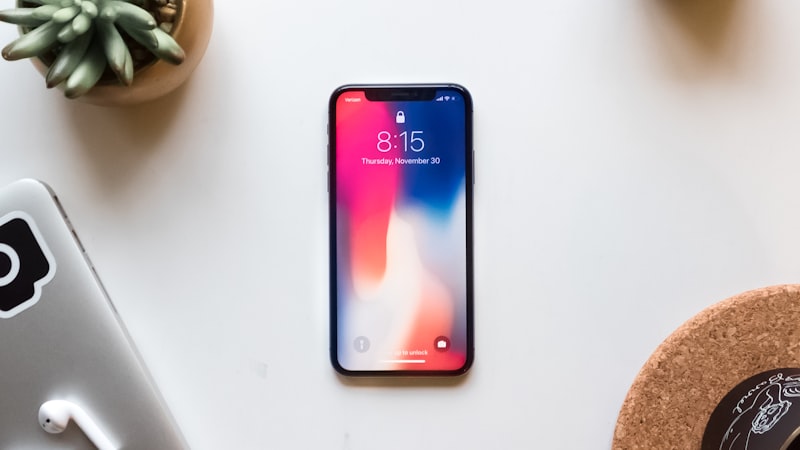
Early iterations of spatial audio, introduced several years ago, were largely software-driven, relying on algorithms to simulate a 3D soundscape. However, the technology has matured significantly. Modern iPhones incorporate more sophisticated hardware, including advanced gyroscope and accelerometer data, to dynamically adjust the audio output based on head tracking. This creates a more immersive and realistic listening experience, particularly with Apple's own AirPods line.
Beyond the Headphones: Speaker Improvements and Environmental Awareness
The impact extends beyond headphone usage. iPhone speakers have undergone a quiet revolution, with improvements in dynamic range and clarity. Apple's focus on environmental awareness also plays a role. iPhones now analyze ambient noise levels to automatically adjust playback volume, ensuring optimal audio quality in various environments. This adaptive audio experience is a compelling feature for users who frequently consume content on their devices without headphones.
Furthermore, microphone technology has significantly advanced. Beamforming microphones, combined with sophisticated noise cancellation algorithms, allow for clearer voice calls and improved recording quality. This is particularly relevant for content creators and professionals who rely on their iPhones for audio and video production.
Spatial Audio and Content Creation
The integration of spatial audio into content creation workflows is another key development. iPhones now offer tools for recording and editing spatial audio, enabling users to create immersive audio experiences for their own videos and music. This empowers users to express themselves creatively and share their experiences in new and engaging ways.
The Upgrade Equation: Is Audio Enough?
The question for many iPhone users in 2026 is whether these audio advancements alone are enough to justify an upgrade. While audio improvements may not be the primary driver for all users, they represent a significant enhancement to the overall user experience, particularly for those heavily invested in Apple's ecosystem and services. The combination of spatial audio, improved microphone technology, and enhanced speaker systems creates a more immersive, engaging, and versatile mobile experience.
Diminishing Returns and the Audio Sweet Spot
However, as with all technological advancements, diminishing returns are a factor. While each generation of iPhones brings incremental audio improvements, the perceived difference may become less noticeable over time. As we explored in our analysis of display technology at iPhone View, the human eye and ear have limitations in discerning subtle improvements beyond a certain point. Therefore, manufacturers must focus on delivering meaningful and perceptible advancements to continue driving upgrades.
Ultimately, the decision to upgrade based on audio improvements is a personal one. Factors such as individual listening habits, content creation needs, and overall budget will all play a role. However, it's clear that audio is no longer a secondary consideration in the iPhone upgrade equation. It's a vital component of the overall user experience, and one that is becoming increasingly important for consumers in 2026.
The shift toward a more holistic and immersive audio experience reflects a broader trend in the mobile industry. As smartphones become increasingly central to our daily lives, manufacturers are focusing on delivering a more complete and engaging sensory experience. Audio, alongside visuals and haptics, is playing a crucial role in shaping the future of mobile computing.
Questions readers ask
Where is Apple's supply chain on audio evolution spatial audio right now?
Reports out of Asia consistently cite a handful of suppliers competing on the relevant component, with Apple splitting orders rather than single-sourcing. That hedging pattern tends to mean a real product is being prepared, not just an R&D exploration.
Is audio evolution spatial audio realistic for the next iPhone, or further out?
Most signals point to a later cycle rather than imminent release. Component lead times for audio evolution spatial audio suggest Apple is still validating the supply side, and the company tends to wait until yields hit production targets before committing on stage.
What's the biggest tradeoff Apple has to swallow for audio evolution spatial audio?
Every Apple decision is a tradeoff, and the obvious one here is internal volume. Adding audio evolution spatial audio costs millimetres somewhere — usually battery capacity or camera module depth — and Apple has to decide which line item to trim.
What does audio evolution spatial audio actually cost — in price, weight, or battery?
Expect a premium of roughly $200–300 over the standard model, plus a small weight penalty. Battery life is the bigger variable — early prototypes typically trade an hour or two of screen-on time for the new capability, then claw it back over a generation.
In short — what's the takeaway on the upgrade equation: is audio enough??
It comes back to whether Apple can ship audio evolution spatial audio without compromising the parts of the iPhone people already pay for. The detail in this section is where that case is made or broken.