iPhone 15: Still a Solid Choice in 2026, or Time to Move On?
The iPhone 15 in 2026: A Retrospective Look
The iPhone 15, released in late 2023, finds itself in an interesting position as we move into 2026. While newer models like the iPhone 16 and 17 boast the latest advancements, the iPhone 15 retains a certain appeal, particularly for users looking for a balance of price and performance. But does it still hold up in a market increasingly dominated by faster processors, improved camera technology, and enhanced display capabilities?
Editor's pick: Refurbished iPhones on Amazon → As an Amazon Associate, this site earns from qualifying purchases.
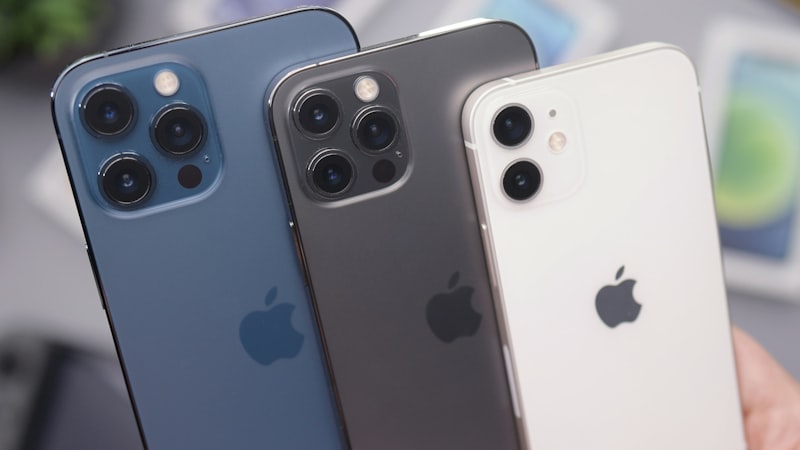
One of the primary considerations for any iPhone user is performance. The A16 Bionic chip within the iPhone 15, while no longer the cutting-edge, remains a capable performer in 2026. It handles everyday tasks, social media, and even demanding games with relative ease. However, users who frequently engage in resource-intensive activities like video editing or 3D modeling might find the newer A17 or A18 Bionic chips in subsequent models offer a more noticeable improvement. The question then becomes: Is the performance difference significant enough to justify the cost of upgrading?
Camera Capabilities: Has the iPhone 15 Fallen Behind?
Camera technology has consistently been a key area of advancement for iPhones. The iPhone 15's camera system, while impressive at its launch, is now competing with models featuring larger sensors, improved image processing, and enhanced optical zoom capabilities. While the iPhone 15 still captures excellent photos and videos in most lighting conditions, users who prioritize low-light performance or require advanced zoom functionality may find themselves wanting more. Specifically, the periscope lens, now a standard feature in higher-end models, offers a significant advantage in telephoto photography that the iPhone 15 lacks.
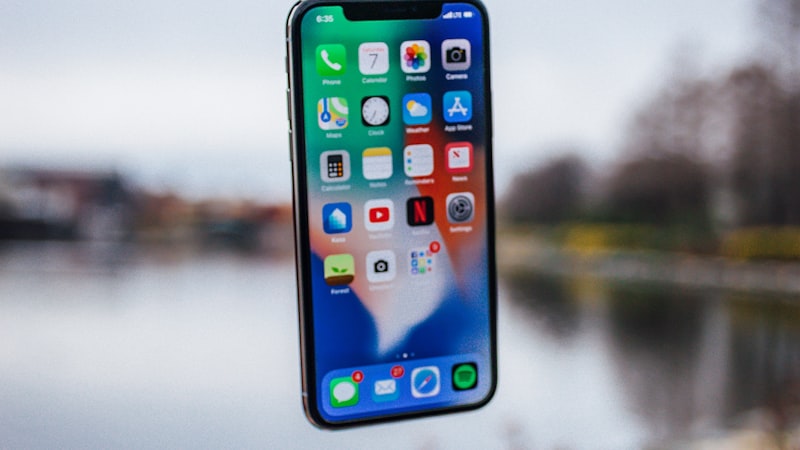
Furthermore, computational photography has continued to evolve. Newer iPhones leverage more sophisticated algorithms to enhance image quality, reduce noise, and improve dynamic range. These improvements, while subtle in some cases, can make a noticeable difference in overall image quality, especially for users who rely heavily on their iPhone camera for capturing memories.
Display Technology and User Experience
The display, a crucial element of the iPhone experience, is another area to consider. The iPhone 15 features a Super Retina XDR display that remains visually appealing in 2026. However, as we explored in our analysis of display technology at iPhone View, newer iPhone models often incorporate advancements such as higher peak brightness, improved color accuracy, and ProMotion technology, which dynamically adjusts the refresh rate for smoother scrolling and animations. These enhancements, while not essential, contribute to a more fluid and responsive user experience. The absence of ProMotion on the iPhone 15 is a factor that some users might find limiting, especially if they've experienced it on newer models.
The Trade-In Equation and Overall Value
Ultimately, the decision of whether to stick with the iPhone 15 in 2026 or upgrade to a newer model hinges on individual needs and priorities. If you're primarily using your iPhone for basic tasks and are satisfied with its performance and camera capabilities, there's likely no compelling reason to upgrade. However, if you demand the latest performance, camera technology, or display enhancements, a newer model might be a worthwhile investment.
Consider the trade-in value of your iPhone 15. While it will have depreciated since its release, it still holds some value, which can offset the cost of a new iPhone. Evaluate the cost-benefit ratio of upgrading, taking into account the trade-in value and the potential improvements offered by newer models. Also, consider the availability of software updates. Apple typically supports iPhones for several years, but eventually, older models will no longer receive the latest updates, potentially limiting access to new features and security patches.
In conclusion, the iPhone 15 remains a capable and viable option in 2026 for many users. However, those seeking the latest advancements in performance, camera technology, and display capabilities might find that upgrading to a newer model offers a more compelling experience. Careful consideration of individual needs, trade-in value, and the long-term support prospects will help you make the right decision.