iPhone 13 Pro in 2026: Still a Solid Option, But Trade-In Timing is Key
The iPhone 13 Pro in 2026: A Balanced Retrospective
Launched in 2021, the iPhone 13 Pro represented a significant step forward for Apple's flagship smartphone. Now, five years later, in 2026, it's crucial to re-evaluate its position in the market. While newer iPhones boast advanced features and performance enhancements, the iPhone 13 Pro remains a surprisingly capable device. The question is: does it still meet your needs, and is now the right time to trade it in?
Editor's pick: Refurbished iPhones on Amazon → As an Amazon Associate, this site earns from qualifying purchases.
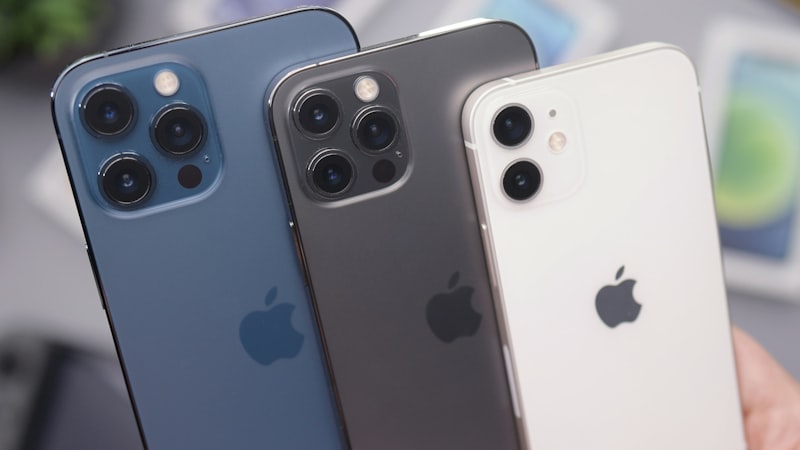
Performance and Features Holding Up
The A15 Bionic chip, which powers the iPhone 13 Pro, continues to offer smooth performance for everyday tasks, gaming, and even demanding applications like video editing. While it doesn't match the raw power of the latest A-series chips, the difference is often negligible for typical users. The 120Hz ProMotion display, a defining feature of the 'Pro' lineup, also remains a standout, offering fluid scrolling and responsiveness. As we explored in our analysis of display technology at iPhone View, the benefits of ProMotion are particularly noticeable when compared to standard 60Hz displays.
The camera system is another area where the iPhone 13 Pro continues to shine. The triple-lens setup, featuring wide, ultrawide, and telephoto lenses, captures high-quality images and videos in a variety of lighting conditions. Computational photography features like Cinematic mode and Photographic Styles add creative flexibility. While newer iPhones have introduced advancements in sensor size and image processing, the iPhone 13 Pro's camera remains highly competitive.
Trade-In Value Considerations in a Maturing Market
The most pressing concern for iPhone 13 Pro owners in 2026 is its trade-in value. As the iPhone market matures, depreciation rates are becoming more predictable, but also more pronounced. Factors influencing trade-in value include the device's condition, storage capacity, and overall demand for used iPhones. Apple's own trade-in program, as well as third-party services, offer varying amounts. It's essential to compare offers from different sources to maximize your return. Keep in mind that battery health significantly impacts the perceived value; a device with degraded battery performance will fetch a lower price.
The emergence of subscription models for iPhones, which we have discussed at length on this site, is also influencing trade-in behavior. If you're considering switching to a subscription plan, trading in your iPhone 13 Pro could be a viable option. However, carefully evaluate the terms and conditions of the subscription to ensure it aligns with your usage patterns and budget.
The Upgrade Dilemma: Need vs. Want
Ultimately, the decision to upgrade from an iPhone 13 Pro in 2026 hinges on your individual needs and priorities. If you require the absolute latest performance, camera capabilities, or features like satellite connectivity, then upgrading to a newer iPhone is a logical choice. However, if you're primarily concerned with basic functionality and overall value, the iPhone 13 Pro may still suffice. Consider whether the incremental improvements offered by newer models justify the cost of upgrading.
Conclusion: Strategic Timing is Key
The iPhone 13 Pro remains a capable and reliable smartphone in 2026. However, its value is gradually decreasing. If you're considering upgrading, now may be the optimal time to trade it in, before its value depreciates further. Carefully assess your needs, compare trade-in offers, and weigh the cost of upgrading against the benefits of sticking with your current device. As the potential for new form factors are being explored at our sister site iPhone Open, it is important to also evaluate the long-term plan for your phone; would you rather hold on to your 13 Pro until a radical form factor is released?
Questions readers ask
How does 2026 value analysis stack up against what Samsung or Google already ship?
Android OEMs reached this corner of the market first, but they did so with looser tolerances on durability and software polish. Apple's bet is that arriving second with a tighter integration story wins more buyers than arriving first.
Have patents or job listings hinted at 2026 value analysis?
Yes — recent USPTO filings reference adjacent mechanisms, and Apple has been quietly posting roles in the relevant hardware and software teams. None of that guarantees a ship date, but it confirms the project is actively staffed.
Who is the realistic day-one buyer for 2026 value analysis?
Enthusiasts and developers buy the first run. Mainstream adoption tracks the second-generation revision, once the rough edges are sanded down and the price comes in roughly $100 lower at the same tier.
Does iOS need rearchitecting to make 2026 value analysis work properly?
Apple would need a window manager or surface-handling layer in iOS to do this well. The plumbing already exists on iPadOS in a limited form, so the engineering question is less invention and more refinement.
In short — what's the takeaway on the upgrade dilemma: need vs. want?
It comes back to whether Apple can ship 2026 value analysis without compromising the parts of the iPhone people already pay for. The detail in this section is where that case is made or broken.