iPhone 13 in 2026: Still a Solid Choice or Time to Move On?
iPhone 13 in 2026: Still a Solid Choice or Time to Move On?
The iPhone 13, released in 2021, is now several generations old. In the fast-paced world of smartphone technology, that can feel like an eternity. Many users are now weighing their options: stick with their trusty iPhone 13, or finally make the jump to a newer model. This article will delve into the key considerations to help you make an informed decision in 2026.
Editor's pick: Refurbished iPhones on Amazon → As an Amazon Associate, this site earns from qualifying purchases.
Performance and Software Support
The A15 Bionic chip within the iPhone 13 remains a capable performer in 2026. While it won't match the raw power of the latest silicon, it should still handle everyday tasks, social media, and even graphically intensive games with relative ease. However, the crucial factor is software support. Apple typically provides major iOS updates for around five to six years. As we approach the end of that window for the iPhone 13, users should be aware that future iOS versions may offer reduced functionality or eventually cease altogether. This could impact access to the latest features, security updates, and app compatibility.
Camera Capabilities
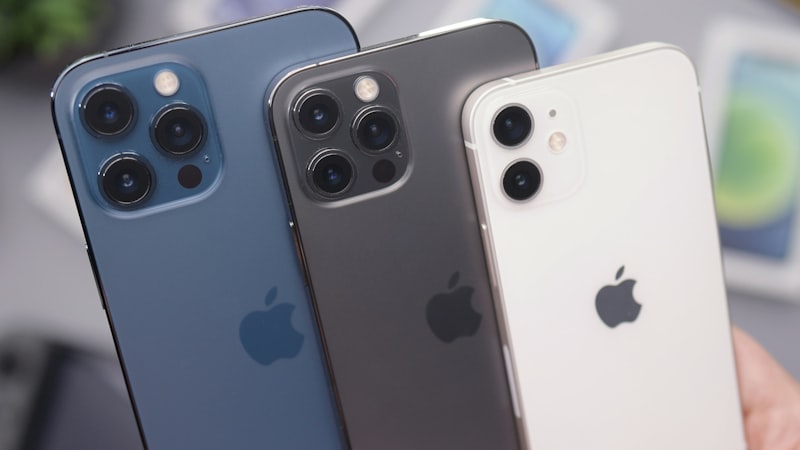
The iPhone 13 boasts a dual-camera system that was highly regarded at its launch. While newer iPhones have significantly improved camera technology, including larger sensors and computational photography advancements, the iPhone 13 still captures excellent photos and videos in most lighting conditions. If photography is a critical aspect of your smartphone usage, you might find the improvements in newer models – particularly in low-light performance and zoom capabilities – compelling enough to warrant an upgrade.
Battery Life and Overall Condition
After five years of use, battery health is likely a significant concern for iPhone 13 owners. As explored in our analysis of iPhone battery health in 2026, degradation is inevitable. Users may experience shorter battery life, requiring more frequent charging or even a battery replacement. The overall physical condition of the device is another factor. Scratches, dents, and other damage can impact resale value and the overall user experience.
Display and Design Considerations
The iPhone 13 features a Super Retina XDR display, which still offers excellent brightness and color accuracy. While it lacks the ProMotion technology found in later models (and analyzed extensively at iPhone View), the standard 60Hz refresh rate is perfectly adequate for most users. From a design perspective, the iPhone 13 retains a familiar aesthetic that some users may still find appealing. However, those seeking a more modern look with slimmer bezels and potentially a titanium build (as seen in more recent models) might find the iPhone 13 dated. The flat edges, though, remain a popular design choice.Trade-In Value and Upgrade Justification
The trade-in value of an iPhone 13 in 2026 will depend on its condition, storage capacity, and the specific trade-in program. Expect a significantly lower value compared to newer models. Ultimately, the decision to upgrade hinges on your individual needs and priorities. If you're experiencing performance issues, significantly degraded battery life, or desire the latest camera features and software updates, upgrading to a newer iPhone is a worthwhile investment. However, if the iPhone 13 continues to meet your needs, and you're not overly concerned about having the absolute latest technology, holding onto it for another year or two could be a viable option. Before making a decision, carefully weigh the costs and benefits of upgrading versus sticking with your current device.
Questions readers ask
What does 2026 upgrade analysis actually cost — in price, weight, or battery?
Expect a premium of roughly $200–300 over the standard model, plus a small weight penalty. Battery life is the bigger variable — early prototypes typically trade an hour or two of screen-on time for the new capability, then claw it back over a generation.
How does 2026 upgrade analysis change the upgrade calculus for existing owners?
Existing owners weigh 2026 upgrade analysis against the upgrade they were already planning. If the feature is meaningful for daily use, it pulls forward upgrades by about a year; if it is novelty, it shifts nothing.
Does 2026 upgrade analysis require new developer APIs, or can existing apps adapt?
Apple historically ships a quiet developer API the year before the hardware lands, so existing apps that follow human-interface guidelines should adapt with modest work. Apps that hard-code layouts will need updates.
What would convince a sceptical reviewer that 2026 upgrade analysis is worth it?
Hands-on time is the only honest test. A reviewer's first hour with the device tells them whether 2026 upgrade analysis is solving a real problem they had, or a feature looking for a use case. The reviews following launch will be the verdict.
In short — what's the takeaway on battery life and overall condition?
It comes back to whether Apple can ship 2026 upgrade analysis without compromising the parts of the iPhone people already pay for. The detail in this section is where that case is made or broken.